
How AI is transforming E commerce shopping and why It matters for you
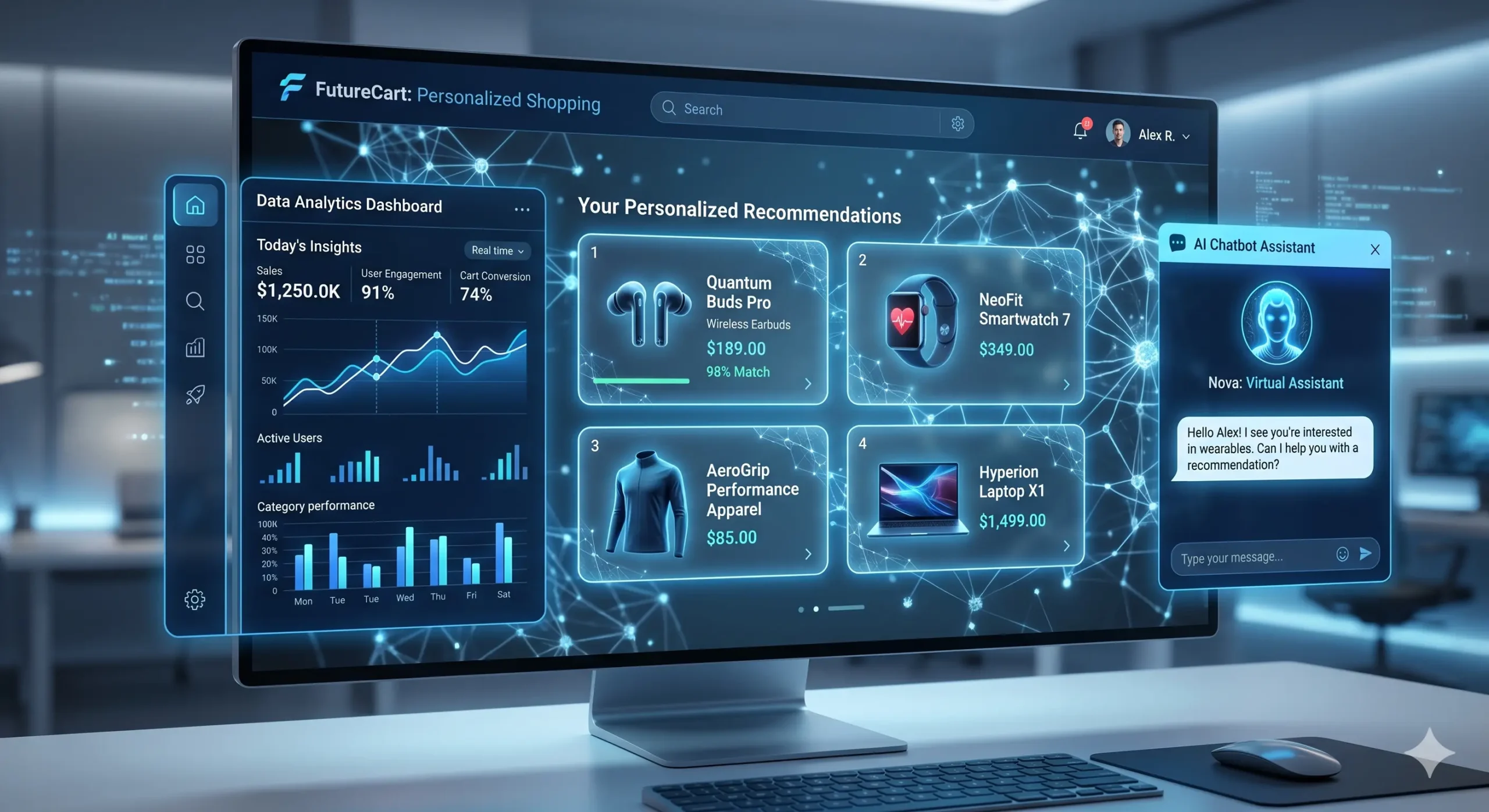
1. Personalization That Actually Feels Personal
Machine learning algorithms analyze your browsing history, past purchases, time spent on product pages, and even the time of day you shop. Based on all of that, they surface products that are genuinely relevant to you not just popular items, but things that match your specific taste and needs.
Netflix does this with movies. Spotify does it with music. Ecommerce giants like Amazon and Flipkart have been using it for years, and now even mid-sized online stores can access the same technology through affordable AI tools.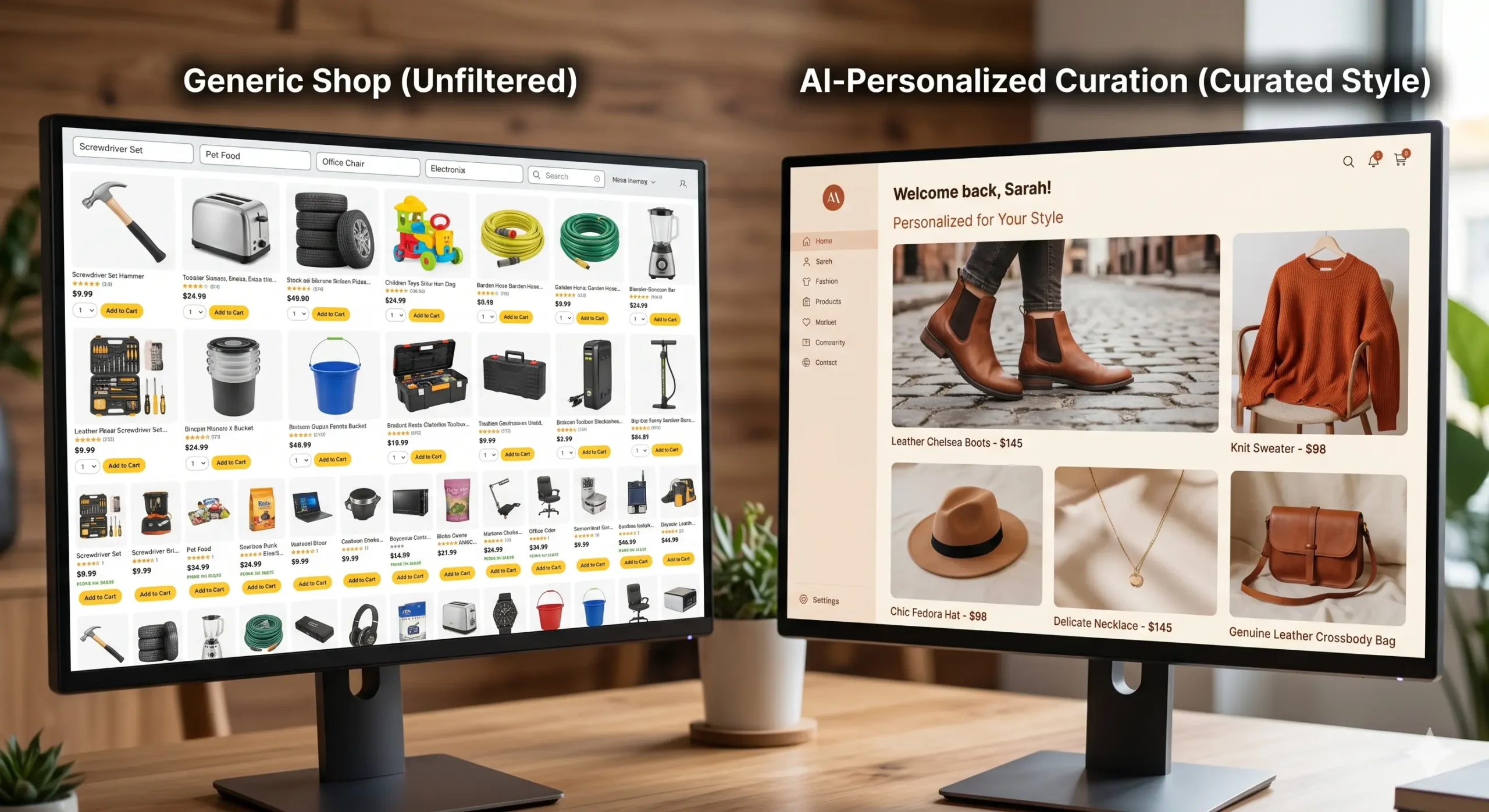
2. Smarter Search: Finding What You Mean, Not Just What You Type
Traditional keyword search is frustrating. Type ‘red dress’ and get 10,000 results. Type something slightly different and get completely different results. AI-powered search changes the game entirely.
Natural Language Processing (NLP) allows search engines to understand intent, not just words. So, when someone searches for ‘something comfortable to wear at a beach wedding,’ the AI understands context, occasion, and mood and returns results that make sense.
Visual search takes it even further. Platforms like Pinterest and some fashion retailers now allow users to upload a photo of an outfit they like, and AI finds similar items available for purchase. No words needed.
For ecommerce businesses, this means customers are less likely to get frustrated and abandon the site and more likely to convert.
3. AI Chatbots: Your 24/7 Customer Service Team
Let’s be real nobody enjoys waiting on hold for customer support. And businesses can’t afford to staff a team around the clock. This is where AI chatbots have become genuinely useful.
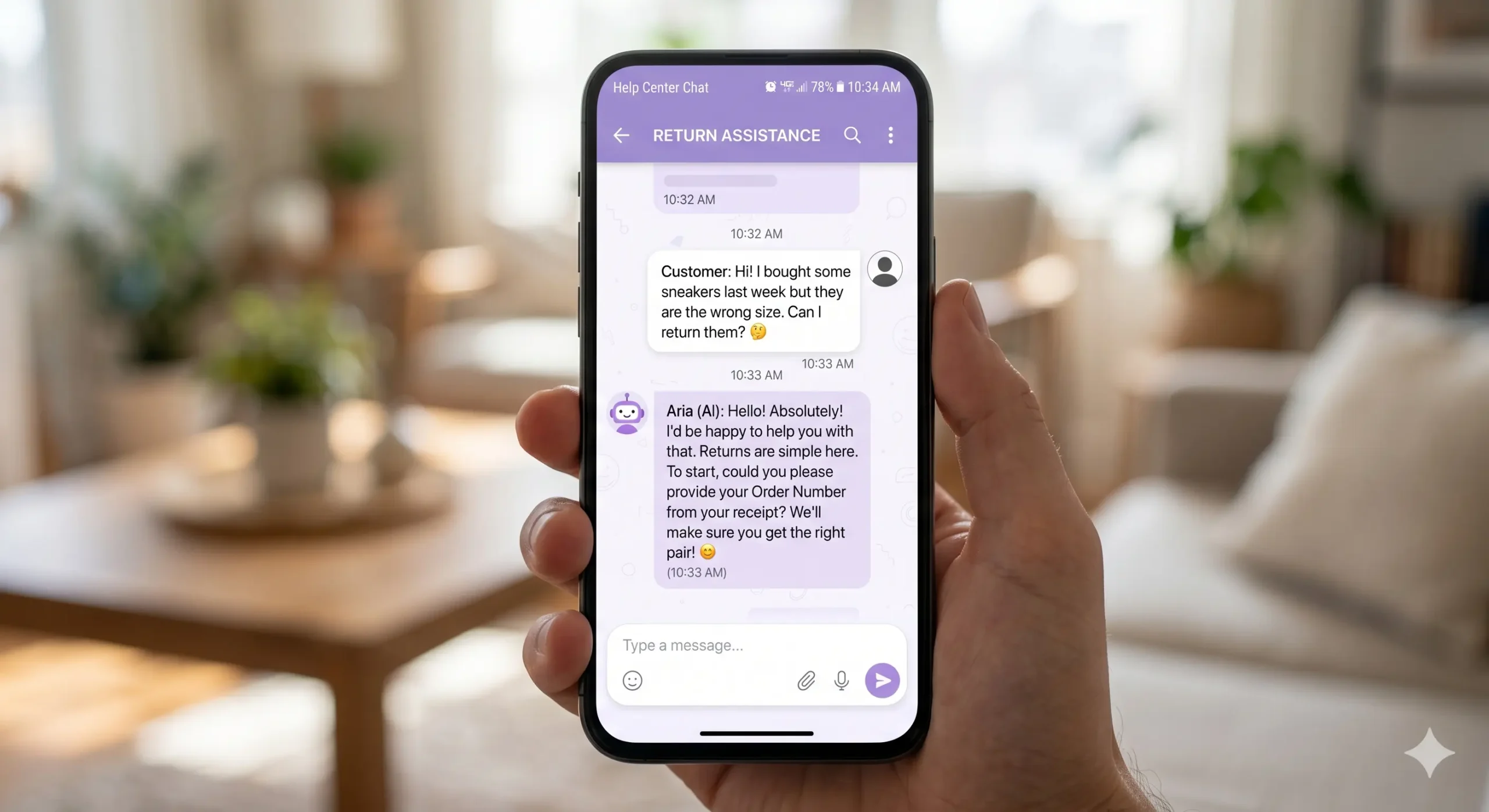
Modern AI chatbots aren’t the clunky, robotic Q&A bots of the early 2010s. Powered by large language models, today’s chatbots can hold natural conversations, answer complex product questions, help with returns, track orders, and even make personalized product suggestions all in real time, all day, every day.
For customers, it’s instant help without the wait. For businesses, it reduces support costs while improving satisfaction. Some studies show that AI chatbots can handle up to 80% of routine customer queries without any human intervention.
4. Dynamic Pricing: The Right Price at the Right Moment
Have you ever noticed that flight prices change every few hours? Or that hotel rates fluctuate wildly depending on when you check? That’s dynamic pricing and AI has brought it to ecommerce in a big way.
AI algorithms monitor competitor pricing, demand levels, time of day, stock availability, and user behavior in real time. Based on all this data, they automatically adjust product prices to maximize both sales and profit margins.
For shoppers, this can sometimes mean catching a great deal at the right moment. For businesses, it means never leaving money on the table and staying competitive without manually monitoring the market 24 hours a day.
Retailers using AI-driven dynamic pricing have reported revenue increases of up to 25% compared to static pricing models.
5. Inventory Management That Thinks Ahead
One of the biggest behind-the-scenes wins from AI in ecommerce is smarter inventory management. Running out of a hot product during a sale? Overstocking items that don’t sell? Both are expensive problems.
AI-powered demand forecasting analyzes sales history, seasonal trends, social media activity, and even weather patterns to predict what products will be needed and when. This allows businesses to stock the right amount at the right time, cutting waste and preventing stockouts.
For shoppers, this means the product you want is more likely to be available. For businesses, it means better cash flow and fewer losses on unsold inventory.
6. Fraud Detection: Keeping Your Transactions Safe
Online fraud is a real and growing threat. Fake accounts, stolen credit cards, and bot-driven purchases cost e-commerce businesses billions every year. AI is one of the most powerful tools fighting back.
Machine learning models are trained on millions of transaction patterns and can flag suspicious activity in milliseconds far faster than any human team could. They look at things like device fingerprinting, unusual purchase locations, atypical buying behavior, and mismatched billing details.
The benefit for shoppers is a safer checkout experience. The benefit for businesses is fewer chargebacks, lower fraud-related losses, and better protection of customer trust.
7. Visual Search and Augmented Reality Try-Ons
One of the biggest hesitations in online shopping is not knowing how something will look whether it’s a sofa in your living room or a pair of sunglasses on your face. AI-powered augmented reality (AR) is starting to solve this in a meaningful way.
Brands like IKEA allow customers to virtually place furniture in their homes using their phone camera. Beauty brands like L’Oreal let shoppers try on makeup shades in real time through their phone. Eyewear companies show you exactly how frames will look on your face before you buy.
This reduces purchase hesitation significantly and, importantly, slashes return rates which is a win for both shoppers and retailers.
8. Email and Marketing That Knows What You Actually Want
Generic promotional emails are easy to ignore. But AI-driven email marketing is a different beast. Instead of blasting the same message to everyone on a list, AI segments audiences based on behavior, purchase history, and preferences then crafts personalized messages for each group.
Some platforms go even further, using AI to determine the optimal time to send emails for each individual user, which subject lines are more likely to be opened, and which products to feature in the email body.
The result is email campaigns that feel like a helpful nudge from someone who actually knows what you like not spam from a robot.
The Road Ahead: AI and the Future of Ecommerce
We’re still in the early chapters of what AI can do for online retail. Voice commerce is growing shopping through smart speakers like Alexa is already a reality. Autonomous shopping agents that buy recurring essentials for you are on the horizon. Hyper-personalized store experiences, where the entire website layout adapts to individual users in real time, are being tested right now.
The businesses that embrace AI thoughtfully not just as a buzzword, but as a genuine tool for improving customer experience are the ones that will thrive. And as a shopper, understanding how these tools work gives you a smarter lens for the digital marketplace you move through every day.Final Thoughts
AI in ecommerce isn’t about replacing the human experience it’s about making it better. Faster discovery. More relevant suggestions. Safer transactions. Smarter support. When it works well, you don’t even notice it. You just think, ‘Wow, that was easy.’
And that’s really the point.
Whether you’re a shopper enjoying a more seamless experience or a business owner looking to grow, AI is the quiet engine making it all possible. The question isn’t whether AI will reshape ecommerce it already has. The question is how well you’re positioned to take advantage of it.
Frequently Asked Questions
Is Amazon always cheaper than Flipkart?
No. Neither Amazon nor Flipkart is consistently cheaper than
the other across all product categories. Prices vary by
product, seller, sale event, and bank offers. Always compare
both platforms before buying.
How often do prices change on Amazon and Flipkart?
Prices on both platforms can change multiple times per day,
especially on high-demand products like smartphones and
electronics. This is why saving a product and monitoring
its price over a few days before buying is always a smart strategy.
Is there a free tool to save and compare products from Amazon and Flipkart?
Yes – Baggyfy is a free Indian wishlist platform that lets
you save product links from Amazon, Flipkart, Meesho, Myntra,
and 50+ other stores in one place. You can save the same
product from both platforms into a single folder and compare
them easily when you are ready to buy.
Does using a price comparison wishlist cost anything?
Baggyfy is completely free to use. There are no subscriptions,
no premium plans, and no hidden charges. Simply sign in with
Google and start saving products instantly.
Very insightful post on the dynamic and transitional phases visible in today’s ecommerce sites. It is very essential in today’s busy times when there are plenty of places to buy plenty of things. AI is making lives easier.
Nice work
Nice input
Nice input
Great info